Colorfresh Crapemyrtle™

Crapemyrtle are a delightful focal point for your garden or landscape. These plants are easy to grow and will liven up your lawn with lively colored blooms in shades of red, pink, white, purple, and lavender.

Famous for their colorful and long-lasting flowers, the deciduous Crapemyrtle is one of the longest blooming trees in existence with flowering periods lasting from 60-120 days. Flowers bloom in the summer and autumn in big showy clusters.

Choose From More Than 50 Unique Colors and Varieties

Ran-Pro Crapemyrtles known nationally for their fast growth, unique foliage, beautiful color, and drought-resistance, are available in standard, semi-dwarf, dwarf, and miniature weeping varieties.

We are proud to offer an expansive collection of patented Carl Whitcomb series varieties including Red Rocket, Dynamite, Tightwad Red, Burgundy Cotton, Siren Red, Raspberry Sundae and Pink Velour.

Selecting a Crapemyrtle

When selecting a Crapemyrtle, consider the size of the plant at maturity and the flower color. With so many cultivars of Crapemyrtle to choose from, there is a size and flower color to fit any landscape. Additional considerations include the fall color of the plant and the beautiful exfoliating bark in the winter landscape.

Enjoy Vibrant Color And Easy Care

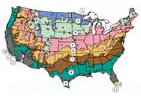
All varieties of Crapemyrtle are hardy for planting in the landscape as far north as USDA Hardiness Zones 5 and 6 depending upon the variety. However, dwarf and miniature weeping varieties of Crapemyrtle can be grown in containers almost anywhere. Growing Crapemyrtle in containers is rewarding, easy to do, and makes sense for people with small spaces and those who live in cooler climates.

Pruning of Crapemyrtle

Pruning practices influence the size, shape, and flowering response of the Crapemyrtle plant. Therefore, it is up to the owner of the Crapemyrtle to prune the plant to achieve the desired effect on the landscape.

Maintenance of older trees requires the removal of any dead branches and a slight pruning back of living branches to promote vigorous growth and enhance flowering.

As a general guideline, remove old flower clusters and thin out small twiggy branches inside the plant. This can be done both when the plant is dormant in the early spring and again during the growing season to promote new wood growth and abundant flowering. Plants pruned in this manner will have abundant flower trusses that are more proportional to the foliage and that are held erect for maximum display.

Crapemyrtles can be injured by extreme cold temperatures, and pruning Crapemyrtle in the fall or winter can impair their cold hardiness. Because they are one of the last of the deciduous ornamentals to begin growth in spring, it is difficult to determine the extent of cold damage until growth begins. It is best to wait until early spring to prune Crapemyrtle.

Caring for Container Grown Crapemyrtles

When the weather starts to get cold, you will need to move container grown Crapemyrtle indoors. Store them in a cool, dark place and water to keep the soil moist. Do not fertilize. Your Crapemyrtle will look as though it has died, but it has gone into dormancy, which is normal and necessary to the growth of the plant. Once the weather is warm, take your Crapemyrtle back outside and resume regular watering and fertilizing.